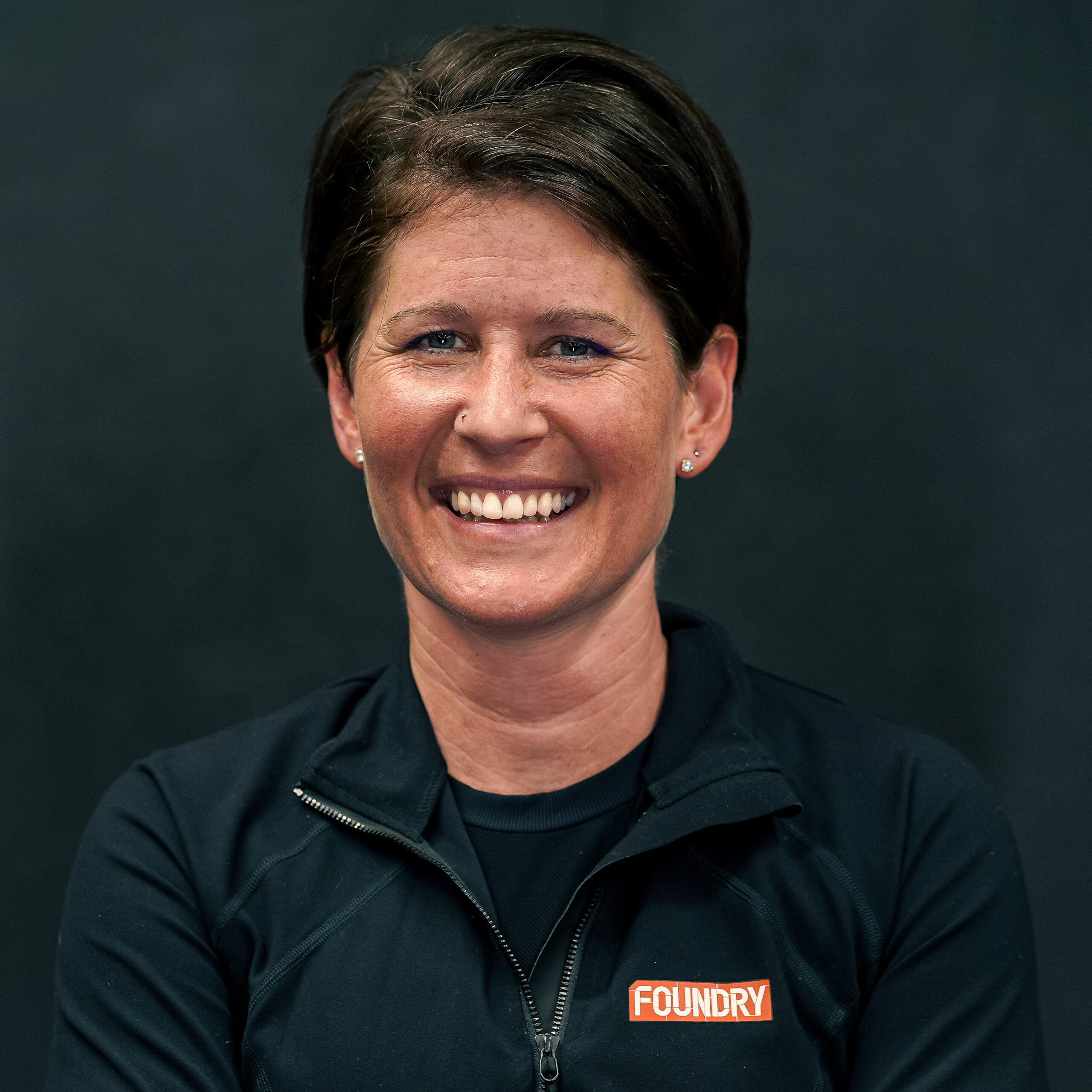

ND Challenge: The Truth About Eating Clean

What it’s really like, how to do it without taking out a bank loan, and, most importantly, is it worth it?

“So one week into my Nemesis Dress 4-week challenge and it’s been a breeze…..”

That’s what I hoped to be able to say to you (and perhaps I could) but it wouldn’t be the honest truth. It’s been quite hard; I’ve been grumpy, have had to overcome cravings and develop will power, plan my meals and, worst of all, give up my daily flat white.

The Plan

fat loss personal training london

The Nemesis Dress Challenge

My nutritional plan, set by Sarah Lindsay, sounds simple but in practice, it isn’t as easy as it may appear, especially if you tend to be spontaneous, lack self discipline and have to leave the comfort of your own home where all temptations can otherwise be avoided.

So, this week I have been mostly eating:

  • Fish
  • Meat
  • Green vegetables
  • Nuts
  • Caffeine (OK this isn’t strictly “on” the list but it’s not on the next list!)

The ABSOLUTELY prohibited:

  • Sugars and carbs of any description
  • Cheese
  • Fruit
  • Milk
  • Non-green vegetables

So, What’s It Really Like To Follow?

The first couple of days were OK; probably more to do with the novelty of what to eat, rather than the challenge of the monotony. But by Day 3 or 4 (which was over the long bank holiday weekend), I was struggling… meat, fish, greens…. followed by more meat, fish, greens… followed by a handful of nuts…. and then more meat, fish, and greens…. you get the picture. I found the battle against the desire to snack when bored or the temptation to be lazy when preparing meals is unbearable. In addition, although extremely supportive (having given up alcohol in solidarity and happily eating meat, fish and greens on a daily basis…because that’s the only thing I’m serving), it doesn’t help that my husband can eat whatever he likes because he’s trying to put muscle and size on for the rugby season. The waft of melted cheese throughout the house can sometimes be excruciating.

Preparation is the key to success. I am lucky that I don’t have to rush into work at the crack of dawn and have time to cook a good breakfast and prepare my lunch before I set off. It’s easy to understand why some clients can struggle to fit this in before their early morning starts.

It’s Not Easy Being Green

So, green vegetables… think broccoli, savoy cabbage, spring greens, green beans, pak choi, watercress, rocket. They’re great in small doses but it’s hard to get excited when you’re on Day 5 of nothing else. I dream of once again eating ripe red tomatoes, crispy yellow peppers and sweet beetroot. The key is to eat enough green vegetables to make sure they don’t taste like green vegetables:

  • Stir fry with garlic or chilli or, best of all, both
  • Add a lemon dressing, made up of lemon juice, mustard seeds, olive oil and white wine vinegar to steamed vegetables
  • Add bacon to savoy cabbage or spring greens for an absolutely winning combo
  • Cook with lashings of butter
  • Go crazy with fresh herbs

If you’re on the go, the best lunch I’ve found is at Chop’d: get the mixed leaves base, add green beans, broccoli and spring onions, chicken, mixed herbs and lemon dressing. Delicious.

These Tastes, They Are A-Changing

Since starting the ND challenge, I have developed a penchant for fresh mint tea, fruit tea (I’m assuming minimal frucose seepage into hot water), and sparkling water with lime (yes, amazingly I get excited about the prospect of drinking this with my dinner!). I’m not really missing alcohol and, after a couple of days, black coffee doesn’t seem so bad either. However, eating good quality fresh meat and fish can be very expensive so here are some of my top (money saving) tips to help keep me on track:

  • Watercress is my new found green friend, especially as it’s currently on 3 for 2 at Tesco.
  • A pack of cured meat in the fridge awaits me as a pre dinner snack after cycling home from work.
  • Chicken drumsticks are a handy daytime snack; I roast them with black pepper first thing in the morning while I’m having breakfast.
  • Smoked salmon trimmings may not look as pretty but are miles cheaper than smoked salmon slices and just as tasty.
  • Grilled mackerel is surprisingly good and quick to cook.
  • Roast a joint of meat for dinner and then have the leftovers for lunch the following day. Buy it on the day from the reduced price section of the supermarket and roast it that night to save you a fortune.
  • Avoid spontaneous supermarket trips; use the Click and Collect or home delivery service so you buy exactly what you want and don’t get tempted by those special offers.
  • Grow fresh herbs – in pots, in the garden, on the window sill, wherever. At the cost of just a few pence for the seeds (or for free if you get cut offs from your friends), these add much needed flavour and are so much better than dried herbs.

The Slip Ups

They say “If you fail to plan, you plan to fail”. That’s not wholly accurate. I’ve never been disciplined with myself nor über competitive therefore, even if I plan, there’s always the temptation of instant gratification in the face of failure.

No one’s perfect, and I certainly don’t claim to be. Despite my best attempts, I did have a couple of slip ups even in my first week:

  1. A sliver of pork pie – Day 4, I was getting grumpy. I needed something, anything, to give me hope and Melton Mowbray’s finest (literally) stepped up to the plate.
  2. A glass of prosecco – out with friends for a celebratory dinner, I chose to avoid the socially awkward conversation as to why I was not drinking and potentially come across as overly neurotic.
  3. Scrambled eggs with a little cheddar – well, why wouldn’t you?

The Good News

There are things I have missed: cheese, fruit (particularly grapes or berries with yoghurt and oats… heavenly), lattes…. but it’s not all bad.

To be honest, I haven’t missed the big No No’s: pizza, pasta or bread. I miss the convenience these foods bring but am enjoying the fact I don’t bloat up or feel heavy in the stomach after eating. My energy levels are more consistent throughout the day, I’ve been sleeping incredibly well and, having been through and come out of the grumpy phase, feel a lot happier than usual.

The Proof Is In The (Non-Existent) Pudding

I was quite nervous and slightly torn as to how I would feel about the results. If they were great, that’s awesome and it’s good to know I’m making progress; if they weren’t, never mind, it was worth a shot and I could go back to my non-green vegetables and fondues.

At the beginning of the challenge, I weighed in at 55kg and an estimated 17.2% body fat. Sarah retook my measurements one week later and I was astounded: a drop of 2kg and 1.8% body fat to 15.4%. The most astonishing part was the measurement on my hamstring (my first priority) which nearly halved! HALVED!!! I mean, that’s just ridiculous.

So, it looks like this nutritional plan is working and I’m on course for my ND challenge. The pork pie and prosecco slip ups weren’t too disastrous but next week will be harder. The biggest gains are often made initially and keeping to the plan and avoiding even more pitfalls won’t be easy.

Pleased with my progress, Sarah has allowed me to celebrate with one cheat meal; ah, decisions decisions… it’s too difficult to choose!!! Let’s just hope it doesn’t knock me completely off the wagon and back to square one.

Finally, for anyone who’s interested in giving this a try, here’s a snapshot of my daily eating plan:

Breakfast: bacon, poached eggs and spinach (alternating bacon with salmon or mackerel)
Mid morning snack: handful of nuts (brazil, pecan and macadamia are my favourites)
Lunch: Chicken and prepared green salads (or salmon or mackerel or roaast pork)
Mid afternoon snack: cured meat e.g. parma ham, bresola
Dinner: Salmon with steamed greens (or chicken, prawns, white fish)
Post dinner snack (if required): handful of nuts

To drink:

Black coffee
Sparkling water (with lemon or lime)
Fresh mint tea
Fruit teas
Water


If you like this article why not share it?

    Introducing The Nemesis Dress

    As a source of objective proven research-based information, the articles on The Foundry’s blog are incredibly insightful. Unfortunately, as a non-trainer, this leaves my potential contribution somewhat minimal, the knowledge equivalent of a raindrop in a 30 litre butt of water (the impact of the hosepipe ban on my vegetable garden has really been on my mind recently).

    However, I do have one weapon in my artillery over and above the rest of the Foundry team… I am just like every other client.

    I am not a competitive athlete or personal trainer. I don’t train others for a living. I know how to hide my wobbly bits on “fat days” and there are many pleasures I enjoy (blame my previous years of hedonism in PR) that are contrary to a healthy lifestyle.

    Having trained with Fee Pocock over the winter to improve my upper body strength for my aerial circus course (amazing by the way… you MUST do it), my current goal is simple: to look great for the summer season.

    fat loss london personal training

    ND in all its glory

    With a stream of weddings just around the corner, the not inexpensive dress I hastily bought in the winter sales will come into its own… providing I sufficiently streamline my midriff and lower half. Believe me when I say that this beautiful dress, floor length but unforgiving, is my nemesis – to be forever known as Nemesis Dress (ND). There is no room for error… it will either look amazing or damn right awful, and the final result is down to me.

    A lesson I recently learned (from Ed Reeves, our recent Men’s Health transformation) if you can’t do it on your own, make yourself accountable to someone else. Knowing I have insufficient willpower, I have put my money where my mouth is and straight into the hands of our experts - Sarah Lindsay and Fee Pocock – who are tasked with keeping me on track.

    It’s a killer combination: Sarah will be focusing on body composition – nutrition and twice a week weight training – and Fee will be looking after my metabolic conditioning, rehab (for a recent shoulder injury), flexibility and movement.

    To be honest I’ve been lucky in the gene pool and never had serious issues with weight, weighing in at no more than 55kg at my heaviest (those student days of Smirnoff Ice and Dolmio’s stir in pasta seem a lifetime ago). I would certainly not go so far as to say that I’m genetically gifted but I’ve got a good base from which to start. Over the next few weeks, I will talk to you from a purely subjective yet honest point of view on what it is really like to change your lifestyle for that quick body transformation.

    Having heard how Sarah and Fee have previously achieved results with clients, I already have an idea of what’s coming my way. Sure… it’s easy to cut carbs, dairy, sugar, alcohol for the short term… what’s the big deal??? Just eat lots of meat, fish, green vegetables and nuts. Well, nothing at all, except I am half Swiss and a cheese-oholic, but more of that later. And what about the cheat meal? That’ll be my saviour… oh I forgot, I’m not entitled to one, I have to earn it first.

    My ND programme started on 3rd May. Weighing in at 52kg, my initial 12 site caliper measurements totalled 160mm with an estimated body fat around 17.2%.

    D-Day is Saturday 2nd June. So that’s one month to get myself ND ready. Week One objective: to eat clean. My head says “What’s the fuss? It’s just a week”; my belly says “Cheesecake”.

    Looks like it’s going to be a long week….

    If you like this article why not share it?

      How to lose fat; not strength.

      Today’s article comes from Foundry Personal Trainer Richard Thompson and Victory Massage Therapist Sarah Franklin as they prepare for Sarah’s first ever powerlifting meet with the aim of dropping 5kg of weight whilst increasing strength gains.

      Sarah Franklin Victory Health Performance


      Strength is important to me, and I try to help my clients see it as important to them.  For fat loss clients, increasing their strength while getting them leaner is crucial. This article will help people who want to:

      • Stick to a diet
      • Get stronger
      • Decrease body fat

      Richard Thompson Personal Trainer

      We highly recommend you read the full article at Richard’s own website here as it’s a fascinating insight into physical preparation for competition and the  battles athletes face with their weight; just like everyone else:


      If you like this article why not share it?

        The Best Lunches in The City of London – Customise your Orders in the Square Mile

        When it comes to personal trainers, Zack Cahill of Aegis Training and Graeme Marsh of The Foundry are without question the city of London’s most pointy-shoed. But having worked for years helping the city’s high flyers regain their health, they also know a thing or two about eating well in the square mile.

        In this article, Graeme and Zack will share their top lunch options, as well as how to customise your order so you can stay lean without resorting to, God forbid, preparing your own food. Because lets face it folks, Tupperware is a pain in the ass.

        Zack says try- the GBK Man Burger. synonymous as it is with our golden-arched Olympic sponsors, the burger has a bit of a bad reputation. But as usual it’s all about food quality. Decent beef and fresh ingredients do not a health disaster make. The trouble with burgers is the bun. Two gluten filled patties worth of the baddest carbs in town are enough to make a regular burger a dietary disaster. So we’re going to order this bad boy bunless.

        My favourite option here is the bacon avocado burger. It’s a man sized feed with plenty of protein and healthy fats, plus to quote John Travolta, bacon tastes good.

        For extra awesomeness order the halloumi bites , not as a starter, as a side. Dump the halloumi on top of your salad. Party in your mouth right there.

        Here’s Zack enjoying it…


        Low carb City of London food

        What to order- the bacon avocado burger, with no bun, with halloumi bites on the side. Now, bear in mind no matter how much you stress the fact that you want the halloumi at the same time as your burger rather than as a starter, this will be utterly ignored. They’ll just bring it out when it’s ready. But hey, you can always try.

        Graeme says try: The Giraffe Man Salad . If the idea of chowing down on burger, bacon, and halloumi doesn’t sit well with the red meat avoiding, fat-fearing folks out there, then this little number from Giraffe should be a winner. It’s full of healthy green stuff and is certified yoga-friendly. You’ll have to request the grilled chicken and halloumi (can you sense a theme developing?) as an added extra, so it is even suitable for those of the vegetarian persuasion (providing cheese isn’t also on your hit list). You get a decent plate of food for your hard-earned and the service is usually snappy.

        Giraffe also do a very nice drop of Pinot Noir, a small glass of which makes the perfect accompaniment to this bowl of goodness. It gets our thumbs up as either a lunch or dinner and costs around £12 with the added chicken.

        Zack adds “Giraffe is our go-to venue for a healthy dinner when we can’t be arsed cooking, which for me is about twice a week and for Graeme is every day and twice on a Saturday”.

        What to order- the super healthy veggie salad, large, with added chicken and halloumi. And if you’re eating in the Spitalfields branch be sure to tell them the two bald, jacked guys sent you.

        Not content with the current fare on offer around town, Zack and Graeme also felt it necessary to design their own lunches to their own nutritional specifications and persuaded some of the city’s finest purveyors of grub knock it up for them. Hence, we have our next few options….

        The BLT Aegis Lunch- based on the corner of Great Eastern street and Curtain road , BLT are renowned for their cheery service and gigantic portions , making them an obvious choice for us to collaborate with when we decided to design the best lunch in shoreditch.

        The Aegis lunch changes every day, rotating between red meat, white meat and fish. It is , however, always high protein, low carb, organic , cooked with coconut oil and gluten free. Honestly…How many health boxes can you tick??

        And for the foundry, Graeme helped design -

        The Poncho No.8 Slow carb Box:

        “If low -carb/high-fat isn’t up your street then the Foundry designed ‘slo-carb box’ from the burrito boys at Poncho No.8 is the perfect grab ‘n’ go lunch. Poncho’s expanding empire has seen our creation join their menu at the new Soho branch and is a favourite at their Spitalfields location. A blend of chicken, veggies, and beans this little box is not only good value for money but provides more than enough calories to get the average city worker through an afternoon of cognitive effort. It is our recommended post-workout meal for its combination of slower releasing carbohydrate, protein, and healthy fat.”

        There you have it. So next time you catch yourself reaching for a miserable white bread sandwich at your local coffee establishment, slap yourself on the hand and get thee to one of the joints we’ve mentioned. You deserve better damn it!

        If you like this article why not share it?

          12 Week Men’s Health Transformation

          Ed Reeves Transformation

          Those who’ve been following our blog, facebook page or the Men’s Health blog over the last few months will know Foundry trainer Sarah Lindsay has been working with Ed Reeves, Men’s Health journalist, on a real life transformation.

          This is a slightly weighted term as hopefully everyone knows not to believe that everything in “before and after” shots has been achieved naturally and/or without the use of photo editing software. We wanted to work with someone who had always been out of shape, de-motivated about his results and who wasn’t blessed with fantastic muscle building genetics.  We wanted to do this to offer inspiration, motivation and realistic results for the many people out there struggling with their health and fitness who have unachievable ‘ideals’ thrown at them by the media and the fitness industry.

          Ed Reeves transformation

          "Sarah is the best thing that ever happened to me" Ed Reeves, Men's Health journalist

          So minus the shaved chest and fake tan (which are usually symptoms of feeling more confident about one’s body than attempts to trick the camera) this transformation is nothing more than 100% hard work on the part of our awesome trainer Sarah Lindsay and guinea pig Ed Reeves, who, at 6’4″ and carrying a 39″ waist was starting, in his own words, with “distinctly shoddy base material”.

          I’m a committed gym-dodger but training with Sarah never felt like a chore – she kept me motivated throughout with inspiring slogans (“Man Up”, “Grow a Pair”) and taught me a huge amount about what works and what doesn’t.

          Ed Reeves, Men’s Health journalist and former exercise-dodger

          It’s been a real pleasure working with Ed, who has thrown himself into the process with genuine enthusiasm and commitment.  You can follow his complete blog series for Men’s Health here to follow his training, diet and pick up some tips: Blog articles by Ed Reeves

          1. Ed’s introduction to the tall skinny man’s guide to bulking up
          2. Ed Reeves: The Before Shot
          3. Ed reveals his supplementation plan
          4. Ed shares his conditioning workout programme
          5. Ed tackles some injury issues with a visit to Victory
          6. Ed takes stock 4 weeks into his training programme
          7. Ed ‘s pre bulk-up weekly diet
          8. Ed attempts to meat his targets
          9. Ed refuses to give up
          10. Ed reviews his progress at the halfway point
          11. Ed addresses his posture issues
          12. Ed takes extreme measures
          13. Ed looks back over the past 12 weeks
          14. Ed Reeves: The After Shot

          If this has whet your appetite and you want to find out more about training at The Foundry or challenge yourself to your own 12 week transformation, please email
          Helen or call 020 3417 0469.


          If you like this article why not share it?

            5 Steps to Overcoming Addictions & Bad Habits


            Today’s article comes from our trainer Richard Thompson.  Alongside his training pedigree Richard has an impressive background in business, peak performance coaching and change management and holds a degree in Cognitive Science and is a certified NLP trainer


            What’s one of the main things that stops people getting their fitness and health goals?  In many cases, it’s a mental, emotional or physical addiction to an established behaviour pattern.  Something like smoking, drinking alcohol, overeating, or eating the wrong things.

            In every case there’s also a secondary gain from having that pattern – a buzz, the feeling of social belonging, the sense of easing some psychological or physical discomfort, etc.

            That’s part of what makes it difficult to stop doing something that rationally you know is damaging to you.

            Habits are a neurological pattern of activation which follow a specific sequence in your brain.  If you really want to break a habit that is holding you back, using up your limited energy reserves, and reinforcing a negative self-image about your willpower, you just need a process to dismantle this sequence, and to consistently interrupt the pattern.

            A Simple Process for Overcoming Bad Habits or Addictions

            Step 1: Establish that this is something you really want to give up.

            Often people will say they want to give something up but not really mean it.  ”This hangover is killing me.  I’m never drinking again.”  Yeah, right!  So first you need to decide whether you actually want to give it up, whatever it is.  Here’s a mental process to help you reach this decision:
            • Imagine for the last 3 months you hadn’t been doing this behaviour at all.
            • Where would you be in relation to your goals if that was the case?
            • Make a clear picture of yourself having not had the habit for the last 3 months.  How does your body look different?  How are your energy levels different?  How do you feel psychologically different?
            • Now answer the question: “Do I care that I’m not where the me in this picture is?”
            • If you don’t really care, then stop reading now.  You’re not ready to give this up.

            Step 2: Find another way to fulfil its secondary gains

            You’re still with me!  Great.  Now we need to understand what (often unconscious) secondary gains you’re getting from this habit.  Every behaviour you have exists only because it’s connected to some internal subjective experience that you enjoy having.  That is, there’s something you get, mentally and emotionally, from every behaviour, including this one.

            No matter how much you think you hate having this addiction, somewhere in there is a neural link to a pleasurable, or somehow positive, intention.  The way you uncover this is to ask yourself, “What do I get from doing this behaviour?”  Usually the answer is some kind of feeling, like ‘relaxation’ or ‘comfort’ but it may be a more abstract concept like ‘time to myself.’

            Now you need to find another way of achieving the same intent.  There are many creative mental processes you can use to do this but the simplest way is to ask “how else can I achieve this,” or “what else can give me this feeling?”  Let’s say going for a cigarette gives you time to yourself and social connectedness.  Go out for a reflective cup of tea and fresh air next time instead of having a cigarette, and go find another place where you might be able to have a quick chat to a colleague rather than out on smoker’s alley.

            Step 3: Throw it away, feel empowered

            Now we’ve got the psychological pieces in place, we arrive at the most basic of all solutions.  Whatever you are addicted to, go and find it in your desk drawer, kitchen cupboard, wherever, and throw it away.

            The worst that can happen is that you’ve put a barrier between you and doing whatever it is again – i.e. going to the shop and buying it.  At which point you’ll have to berate yourself and feel guilty going to buy it.  In a best case scenario, you’ll never buy it again.

            Next, focus on the feeling of energy you get from taking control over your life.  Really focus on it.  It’s in there somewhere, it will get stronger the more you reject the grip of that habit’s grubby little fingers.  Think about how what you just did takes you closer to your goals and pat yourself on the back.  You are learning to exert your will over your brain, something most people will never do.

            Step 4: Change your future behaviour, now

            Now, how to manage cravings?

            First, think about this – what is a craving?  It’s a feeling, often coupled with a mental picture of doing that behaviour.  That picture is one of many potential futures.  I want you to change that picture.

            Edit the item you’re giving up out of the frame, and change the picture so you’re doing something else to fulfil the intent that you discovered in Step 2.  What you’re doing here is re-mapping your neural pathways, interrupting the pattern to free yourself from a slavish unconscious desire to keep doing what you’ve always done.

            You’re going to get cravings.  You’re going to want to go back to your old ways.  Your steely will may even break a few times.  You may give in.  That’s fine.  You now have a choice.  You can either go back to your habit and feed the same old patterns, or you can pick yourself up again and feel good about the decision you made to change your life.  Never underestimate how difficult what you’re doing is, but keep rewarding yourself mentally every time you do something different.

            Step 5: Plan a cheat sometimes, if you need it

            With training clients who are on a strict nutritional program, I recommend a cheat meal where they eat anything they want, once every week or two weeks.  Now, this advice doesn’t really apply to addictive and damaging substances like tobacco and alcohol because of the strong physical craving symptoms they create.  But with food, it’s psychologically rewarding and useful to plan a cheat meal.  99% of the time people report feeling crappy after cheating, and henceforth experiencing increased motivation to stick to their diet plan.

            So if changing a habit seems like a totally insurmountable task, just plan a cheat – plan when it will be and what exactly you’ll have, and keep your motivation up by using a crutch until you’re strong enough to walk without one.

            Conclusion

            Gradually you’ll learn that the addiction is just a mental process that starts with some cue in your environment or a thought in your head and up until now has culminated in the consumption of whatever your addictive substance is.

            You’ll also start to feel a strange surge of mental and physical energy every time the desire process knocks on the door to your mind and you turn it away empty handed.  You’ll start to feel more in control of your life, and you’ll begin to move towards your physical goals so fast it will surprise you.

            Until next time, stay focused, stay healthy, stay strong!

            Your friend and trainer,

            Richard

             http://www.richardthompsontraining.com/2012/04/overcoming-addictions-bad-habits/


            If you like this article why not share it?

              Lessons from the King by Jeremy Boyd

              Today’s article comes courtesy of Jeremy Boyd, director and co-founder of Resilience Fitness, a fitness and nutrition organisation operating out of Lancashire, England.  A former athlete, Jeremy has run, fought and played at national standard often winning through sheer heart alone. His ability to persist, when others may falter, has made him an internationally respected trainer and fitness professional.

              Jeremy was one of the elite Fit Pros who attended our seminar with renowned strength coach Ian King. We have a video interview with Ian to post soon but for now we didn’t think we could improve upon Jeremy’s review:


              The Foundry Personal TrainingWednesday 29th February 2012 was unique in a number of ways. As 2012 is a leap year it meant women were ‘allowed’ to propose to their partners. More importantly though it marked the first ever visit to the UK by Ian King for the purpose of educating exercise and fitness professionals. Organised by The Foundry, London, the seminar was called Programme Design for Athletic Development.

              [Read more...]

              If you like this article why not share it?

                Why successful weight loss is more than just providing solutions.

                Inspiring fat loss

                Dead Trainers Society

                I was enjoying a black coffee in the City’s financial district this morning with my good friend and fellow pointy shoe aficionado Zack Cahill and we were discussing change. Much like him, I’ve always had a relentless drive to improve the service I give my clients. I know I am not the only one trying to do this either. I’ve talked to many trainers who always have one eye firmly focused on their next training course.However, it struck me a few years ago that I really didn’t need to learn another way to do a squat or to master the conjugate system of periodisation. I had no need to know the intimate workings of the lesser-dominant extra-lymphatic nervous system* or how to best activate the deep tri-phaser tuberculosum sphinctorum* to help my clients get results. I certainly didn’t need to go on another course because they were falling short due to improper training form or a lack of training complexity. I’d written fat loss programmes in the past that would make Supertraining look like a Peter and Jane book. I’d spent hours at a computer agonising over the optimal protocol to exact 100% efficiency from the workout. In fact I am sure that I often expended more energy writing programmes than my clients did completing them. Something else was the key and it wasn’t in the information I was delivering, but rather in how that was getting done.

                For training athletes or working with complex rehab cases then every detail such as the aforementioned can make the difference, but for the average person looking to lose weight (and in particular the busy corporate folks I specialise in working with) it simply came down to choices. Getting the results from the clients meant working out how to influence the choices they made when they weren’t with me and what they wanted more. Like a lot of other forms of self-harming, from smoking to alcohol usage, many people with food issues often live in denial and their relationship with food brings them a short-term hit despite them knowing that their choice has taken them a step further from where they would like to be physically and emotionally.

                There is a tendency for our industry to operate in a very prescriptive fashion when it comes to advising on weight loss. Those who fail to achieve said advice are usually labelled pejoratively as ‘excuse makers’ and dismissed as being entirely at fault. However, the fact is that purely prescriptive advice is only ever effective in people who are completely committed to change in every respect. This is not the norm. The lines of gown-clad smokers outside any hospital will tell you much of our capacity to continue destructive behaviour even in the face of terrible consequences. Drug addicts will lie, cheat, steal, and more to fund a habit even though they know this to be wrong and we all know the research surrounding the chasm between the reporting of food intake and actual measured consumption.I know a thing or two about destructive behaviour patterns and thankfully food has never been a crutch for me but I can understand why people sometimes find it hard to stick to a diet, when their go-to in any kind of momentary lapse is the chocolate cake.

                This post came about after listening to a discussion on Radio 4 in relation to diets and having recently turned my attention to reading and researching more about why people do, and don’t, change their behaviours even when their addictions are having severe consequences on their lives. If only it were as simple as telling people to reduce carbs. Even the more ‘scientific’ approaches, such as eliminating allergens, ‘detoxifying’ etc all tend to understate or ignore the emotional component behind why people eat food that takes them further, rather than closer to their goals. Perhaps the success of some complementary approaches to weight loss can be in part attributed to the empathy and tendency for the practitioners to work with, rather than argue against, the client? It is certain that the simple imparting of information is insufficient, particularly in those with low belief in their own ability, or when that information is delivered didactically and without consideration of the client’s own mindset. The result? A tug of war between trainer and client, ultimately always lost by the trainer, who all too often attributes their failure to facilitate change to the clients lack of readiness to accept it. We are often great at looking in the mirror for our successes and out of the window for our less stellar performances.

                So, where do we begin? What separates the successful trainer from the less successful? More importantly, what separates clients who succeed versus those who don’t? How can we explain two clients both having the same information but achieving wildly different outcomes? Biochemical individuality? Perhaps, to a point. But the real world isn’t a laboratory and the reality is that people’s ability to achieve and sustain change is the difference between winning and losing in the weight loss battle. I’ve read enough research to know that clients with the right mindset can often lose weight on Ornish just as well as can those on Atkins (although more and more research supports the concept of carbohydrate restriction over fat restriction as a primary weapon against obesity). Despite the dogma, individuals both succeed and fail on on all diet plans. Sure, I believe Atkins to be vastly superior in terms of health and weight loss for numerous reasons I have written and spoken about before, but only if the person assigned to do it believes in that diet, commits to following it, and enjoys the support and guidance of others who believe in their ability to succeed on it.

                In my opinion (and it is only my opinion so I encourage you to form your own) as trainers, we must aim to inspire our clients to see the negatives of poor food and lifestyle choices themselves rather than lecture them on it. We should look to ‘excuse makers’ as people who need a different approach, not merely failures. We must continually focus our efforts on improving our client’s confidence in their own ability to achieve lasting change, without relying on our status as fonts of all knowledge and purveyors of solutions to keep them on the straight and narrow. Knowing someone believes in you was often what allowed us to follow our hearts as children, safe in the knowledge that our parents would support our choices until we grew able to make those choices ourselves independent of them. In many ways we seek the same from our clients, hoping that they will see the value in learning to make the right choices for themselves, which is the key to achieving long term behaviour change.

                * Some of these terms may have been invented

                If you like this article why not share it?

                  King of the Coaches

                  The Foundry Personal TrainingEvery once in a while there is an opportunity to learn from one of the industry’s genuine innovators. With so much recycled content and marketing efforts aimed at new trainers, it can be hard to discern the real deal from another industry trend or gimmick.

                  As physical preparation coach, Ian King is the real deal and his  innovations have had a massive impact on the industry. Many of Ian’s influences are present in modern training programme design, although due to his reluctance to heavily market to the fitness industry this has often been understated, unreferenced or credited to others, particularly in the UK.  Ian’s work includes ‘How to Write Strength Training Programmes’ (1998), the ‘Get Buffed’ series, and the Mens Health ‘Book of Muscle’ (2003) along with many DVD’s and books on physical preparation for the athlete.

                  Arnie Guns

                  It's Gunday

                  In anticipation of his first ever presentation in London on Wednesday 29th February, we wanted to offer a flavour of the kind of training programmes Ian likes writing, so here is the ‘Great Guns’ training plan that he put together over ten years ago for T-Nation.

                  Part 1 is linked below, and we will be highlighting Part 2 next week. You’ll see some of Ian’s favourite training tools used here, which you’ll be able to find out more about at our seminar on Feb 29th.

                  If you want to find out more from the man himself, Ian will be hosting a day seminar on Programme Design for Athletic Development, covering a wide range of topics including the concept of balance/imbalance, lines of movement, speed of movement, loading, intensity, volume, flexibility, aerobic training and, critically, recovery. All the material is drawn from Ian’s extensive experience and publishings over the past 30 years working with high level athletes. This knowledge will leave you with a far better understanding of the considerations involved in programme design and how to apply them for the best results.

                  The investment for this day is only £117 so it represents incredible value for money. The seminar will start at 8.30am and finish at 4.00pm. All we ask is that they attend with an open mind, prepared to have some of the current dogma and trends challenged.

                  Places are strictly limited and we expect a full house so book early to avoid disappointment.

                  No prerequisite to attend; we welcome fitness professionals and those with a serious interest in strength training and programme development to join us on this course.

                  Date: Wednesday 29th February 2012

                  Location: Birkbeck, University Of London – Malet Street, London WC1E 7HX

                  Time: 0830-1600

                  Cost: £117

                  If you like this article why not share it?

                    Sarah Lindsay and The Foundry working with Men’s Health Magazine

                    We kicked off kicking off 2012 with a request for one of our trainers to work with ectomorph, Men’s Health UK journalist Ed Reeves for the next 12 weeks.

                    The Foundry Personal Training


                    Edward Reeves as of 9 Jan ’12

                    (Measurements were not taken by The Foundry)

                    Height 6ft 4in
                    Weight 79kg
                    Body fat 22.5%
                    Chest 38.5in (surprised, thought I was 36)
                    Waist 37 (and 39 around my belly button – ouch)
                    Upper arm 13in
                    Thigh 22in
                    Calf 16in

                    Working with skinny guys with poor lifestyles is an area we’ve had considerable success over the last few years (hence why Men’s Health came calling). You can see some of our previous results: here and here

                    sarah lindsay personal trainerAfter a bit of head scratching we decided there could be no one better for Ed’s gentle introduction to the world of strength training and body composition than 3 x Olympian Sarah Lindsay.

                    You can see Ed’s first 4 blog article charting his progression here:

                    1. Ed introducing himself and the ‘mission’ ahead http://www.menshealth.co.uk/building-muscle/get-big/taller-skinny-mans-guide-to-bulking
                    2. Ed gets his measurments and ‘before’ picture taken http://www.menshealth.co.uk/fitness/challenges/taller-skinny-mans-guide-to-bulking-2
                    3. Ed reveals his meaty nutritional mission: http://www.menshealth.co.uk/fitness/challenges/the-taller-skinny-mans-bulking-blog-3
                    4. Ed runs through his pills and potions: http://www.menshealth.co.uk/fitness/challenges/the-taller-skinny-mans-bulking-blog-4

                    We’ll obviously keep you up to date on his progress.

                    If you like this article why not share it?